Will Thai Casinos Boost Tourism? Is the Legalization of Thai Casinos Expected to Drive Demand in the Thai Real Estate Market?
The legalization of casinos in Thailand will be one of the major factors driving growth in the real estate market.
The Thai government has released a series of draft bills related to the legalization of casinos in Thailand, outlining plans to establish integrated entertainment complexes that include casinos. These complexes will be combined with a variety of commercial facilities, such as hotels, convention centers, and shopping malls. Many high-spending international tourists are eagerly awaiting the completion of Thailand’s casinos, which are expected to unlock growth potential for the local real estate market.
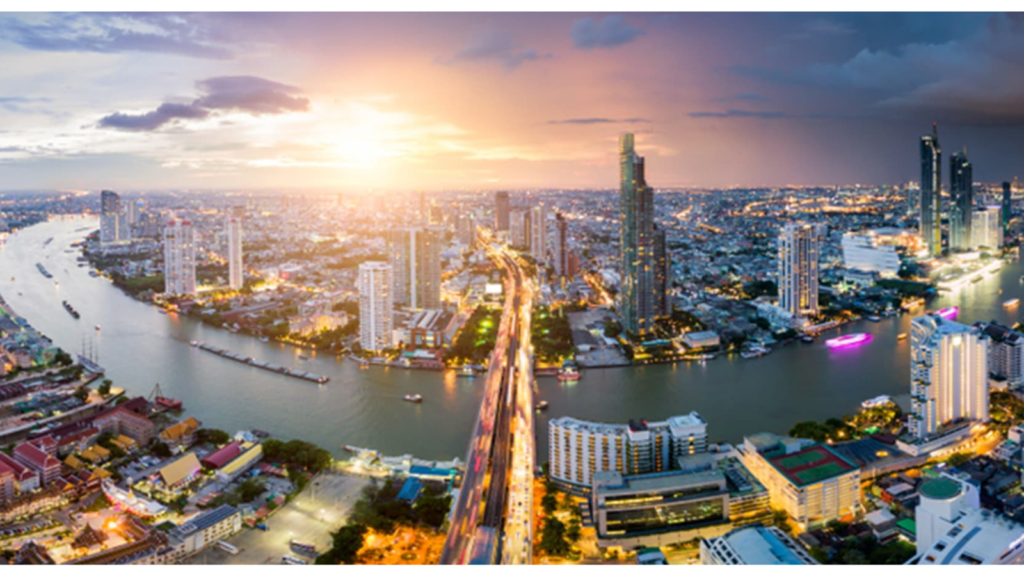
According to the Thai government’s plans, up to seven casino resorts will be developed nationwide, including three that may be built in Bangkok (such as in the Nonthaburi District, Lak Kawan District, and Khlong Toei Port), while other potential locations include the Eastern Economic Corridor (such as Rayong, Chonburi, and Nakhon Ratchasima) and popular tourist destinations (such as Phuket, Chiang Mai, and Pattaya). Infrastructure in these areas is undergoing continuous upgrades, and the government plans to introduce a number of real estate investment projects to attract international investors. As casinos are established in Thailand, local demand for real estate will rise accordingly, driving the development of residential and commercial properties in surrounding areas.
If casinos were to be established in Thailand, they would generate substantial tax revenue for the government and are expected to attract millions of tourists each year. According to research, tax revenue in the first year of legalization would reach 12 billion baht. Legalizing casinos in Thailand would not only effectively prevent tax revenue leakage but also generate direct income for the government; this revenue could then be allocated to budgets for public services and infrastructure development, thereby benefiting Thai residents.
Recent plans to legalize gambling in Thailand are highly likely to gain the support of the National Assembly and the Ministry of Finance and are viewed as a key factor in driving local economic growth. Deputy Finance Minister Chulapong stated, “The bill to legalize gambling in Thailand is expected to pass during this administration’s term, and Singapore serves as a model worth emulating.” If Thailand legalizes gambling, it is believed that this will drive economic growth in the tourism industry.
If gambling were legalized in Thailand, it would drive growth in the Thai real estate market through two potential benefits:
I. The establishment of integrated resorts in Thailand will drive the growth of the regional real estate market in Thailand
In Thailand’s casino planning, casinos are not standalone facilities but rather part of integrated resorts. For example, the Marina Bay Sands model in Singapore is regarded as a benchmark for casino planning in Thailand. Under this model, the casino occupies only a small portion of the integrated resort, while the remaining space is dedicated to shopping malls, convention centers, hotels, and other entertainment facilities. This diversified design not only reduces overreliance on gambling but also attracts more non-gambling tourists, helping to enhance the resort’s overall appeal.
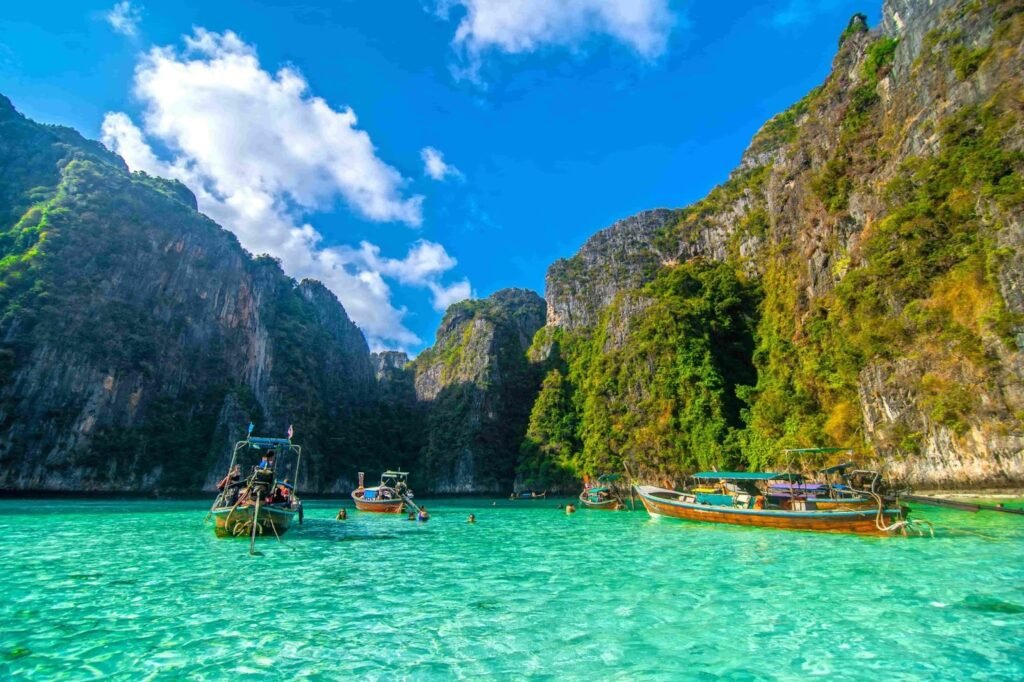
Given the tourism-oriented nature of integrated resorts, they are typically located in areas with development potential, such as Thailand’s capital, Bangkok (Nong Chao District, Rak Kawan District, and Khlong Toei Port), the Eastern Economic Corridor (Rayong Province, Chonburi Province, Nakhon Ratchasima Province), as well as popular tourist destinations such as Phuket, Chiang Mai, and Pattaya.
It is expected that once casinos are established in Thailand, they will significantly boost the recovery of the country’s tourism industry and stimulate the local real estate market. Integrated casino resorts will attract a large number of international tourists, and spending per visitor is expected to increase significantly, which will directly drive demand for real estate in the areas surrounding the casinos. Particularly in popular tourist destinations such as Phuket and Chiang Mai, the construction of casino resort complexes will stimulate growth in local residential, hotel, and commercial real estate.
From the perspective of Thailand’s overall industry, the establishment of casinos and the construction of integrated resorts will transform the structure of Thailand’s tourism and real estate markets. These resorts will not only attract high-end gamblers from both domestic and international markets but may also draw diverse customer segments, such as family travelers and conference attendees, thereby injecting new vitality into local economic development. According to reports, these Thai casino resorts could begin opening in phases as early as 2030, and the real estate markets in these areas will be the most direct beneficiaries, offering investors long-term growth potential.
II. Despite High Investment Barriers, International Entertainment Tycoons Remain Highly Interested
Although the bill has not yet been finalized, and the Thai government has set a fairly high investment threshold for integrated resorts—with a minimum capital expenditure of 100 billion baht (approximately $2.7 billion) expected for each project—it has still attracted, includingGalaxy Entertainment Group和MGM International Hotel Groupthe attention of major international investors, includingLas Vegas Sands Corporation(Las Vegas Sands Corp) also stated that it would be interested in entering the Thai market if Thailand were to “open up its market.” The development of these large-scale resorts would not only drive local economic growth but also create significant investment opportunities in the surrounding real estate market!
If gambling were legalized in Thailand, it would increase tourists' spending power by 1.5 times and generate 10 billion in tax revenue for the government.
The issue of legalizing gambling in Thailand has a significant impact on the recovery of the country’s tourism industry and the growth of its real estate market. Since the end of the pandemic, Thailand’s tourism industry has not yet fully recovered to 2019 levels, and the number of foreign tourists remains low. In 2023, the number of visitors to Thailand was only about 28 million, far below the pre-pandemic figure of 40 million. To promote a rapid recovery in the tourism industry, the Thai government views the legalization of casinos as a key strategy for attracting high-spending tourists. The establishment of casino integrated resorts will draw large numbers of international tourists, particularly high-spending travelers from China, Southeast Asia, and other gambling markets.
According to research, following the legalization of gambling in Thailand, the establishment of integrated resorts will significantly increase the average spending per tourist. Spending per tourist is projected to increase by 52%, reaching approximately 65,050 baht (about $1,790) per person. This will not only bring substantial growth to Thailand’s tourism revenue but will also drive demand for real estate in areas surrounding the casinos. The massive influx of tourists generated by casinos will directly impact the development of local residential, hotel, and commercial real estate, particularly in major tourist cities such as Phuket, Chiang Mai, and Pattaya.
Alongside economic growth, another benefit brought by Thailand’s casinos is the generation of tens of billions of baht in tax revenue for the Thai government. This tax revenue will be used to improve infrastructure and public services, creating a positive virtuous cycle for Thailand’s industries and economy. With the construction of casinos and integrated entertainment complexes, real estate prices in the surrounding areas are expected to rise significantly, with demand for commercial real estate and high-end residential properties receiving a strong boost.
From a structural perspective of Thailand’s overall economy, the legalization of casinos in Thailand will not only help revive the country’s tourism industry but also spur a new round of growth in the Thai real estate market.
Potential Sites for Casinos in Thailand: Bangkok, Thailand; the EEC Shows Great Potential
Potential Sites for Casinos and Integrated Resorts in Thailand
★★Bangkok
★★Eastern Economic Corridor
Popular Travel Destinations
Nongzhuo District Lekka Wan District Khlong Toei Port
Rayong Province Chonburi Province Beiliu Prefecture, etc.
Phuket Island Chiang Mai Pattaya, etc.
Khlong Toei Port in Bangkok, Thailand, Is the Top Contender
Recent reports indicate that the Royal Bangkok Racing Club plans to invest 200 billion baht in a comprehensive entertainment complex project promoted by the Thai government, which will include a legal casino. The club will collaborate with RSC and partners from South Korea, the United States, and China to develop an integrated entertainment complex named “The Royal SiamHaven.” The project is targeting three potential sites: the Nonthaburi District in Bangkok (over 1,000 rai), the Lat Kha Wan District (over 2,000 rai), and the Khlong Toei Port in Bangkok (over 2,300 rai), among whichKhlong Toei PortIt is the most sought-after location because it is not only close to the port but also near both the city center and the airport, making it a site with tremendous development potential.
A report in *The Nation* on Monday cited comments by Deputy Secretary-General to the Prime Minister Suksit Srichomkwan, stating: “The casino legislation currently under review by the Cabinet is expected to include the construction of three integrated resort casinos in Bangkok, with each project requiring an investment of at least 100 billion baht (approximately $3 billion). In addition, up to four integrated resorts will be developed in other major tourist provinces, with each project expected to involve an investment of approximately 50 billion baht (about $1.5 billion). The report also noted that casino facilities will be permitted to occupy 10% of the total resort area.”
The Multiplier Effects of Establishing Casino Resorts in Thailand’s Eastern Economic Corridor (EEC)
The Eastern Economic Corridor (EEC) is a key region for economic development promoted by the Thai government, encompassing Rayong, Chonburi, and Nakhon Ratchasima provinces. Thanks to their strategic locations and well-developed infrastructure, these areas have become central to Thailand’s efforts to attract foreign investment and drive economic growth. Against the backdrop of the legalization of casinos in Thailand, the Eastern Economic Corridor is also regarded as one of the regions with significant potential for the development of integrated casino resorts.
According to a study by Maybank, Thailand’s first legal integrated casino resorts are set to open in the Eastern Economic Corridor as early as 2029. These resorts will include casinos, hotels, shopping centers, convention and exhibition facilities, and other entertainment venues, with the aim of attracting international tourists and high-end consumers. Infrastructure in the Eastern Economic Corridor—including airports, ports, and high-speed rail—is already undergoing large-scale upgrades to support the development of these large-scale integrated resorts, thereby positioning the region as a core hub for Thailand’s tourism industry and economic growth.
The establishment of casinos in Thailand will help drive growth in the regional housing market
The establishment of casinos in Thailand will directly boost the real estate markets in Bangkok, the Eastern Economic Corridor, and popular tourist destinations. With the development of integrated casino resorts, local demand for real estate is expected to grow significantly, particularly in the high-end residential and commercial real estate sectors. Investor interest in these regions is growing, particularly in areas with well-developed infrastructure such as Bangkok, Rayong Province, and Chonburi Province, where real estate prices are expected to rise substantially as the resorts are built.
Thailand's Casinos Deliver a Double Benefit of Economic Growth and Government Tax Revenue
The government estimates that once gambling is legalized in Thailand, casino resorts will generate significant tax revenue and attract substantial foreign investment. In the first year alone after the resorts open, these casino complexes are expected to generate up to 12 billion baht in tax revenue and drive rapid growth in the local economy. The establishment of these resorts will make them key hubs for the region’s tourism and gaming industries, allowing them to compete head-to-head with gaming markets such as Macau and Singapore amid fierce global competition.
Consult with experts who know the most about the development of Thailand’s casino regions:
New Lianjie International Real Estate, with integrity, responsibility, professionalism, trust, and attention to detail as its core values, has been deeply rooted in the Thai real estate market for over a decade. As a leading brand in the Thai real estate industry, it provides professional and in-depth real estate market analysis. Xinlianjie International Real Estate is dedicated to connecting with clients and providing comprehensive solutions for living, conducting business, and investing in Thailand. If you have any questions, please feel free to contact us immediately.Contact Us for a Consultation。
Company Name: Xinlianjie International Real Estate
Taiwan Address: 8F, No. 142, Section 4, Zhongxiao East Road, Da'an District, Taipei City (1 minute from Exit 5 of Zhongxiao Dunhua Station)
The Thailand Senior Citizen Visa, officially known as the “O-A” non-immigrant visa category (long-term stay), is designed specifically for foreign nationals aged 50 and older. The primary purpose of this visa is…
Buy a Home and Get a Visa? Uncover the Requirements, Actual Fees, and Common Questions About Thailand’s 3 Million Investment Visa. Whether you want to obtain an LSV visa by purchasing an apartment or through a long-term lease, we’ll guide you through…
Thailand Headline News Agency, June 3: According to Thai media reports, Bangkok has emerged as the hottest real estate market among other Asian cities, with residential rents surging 18 percent compared to the previous year…