
2024-10-06
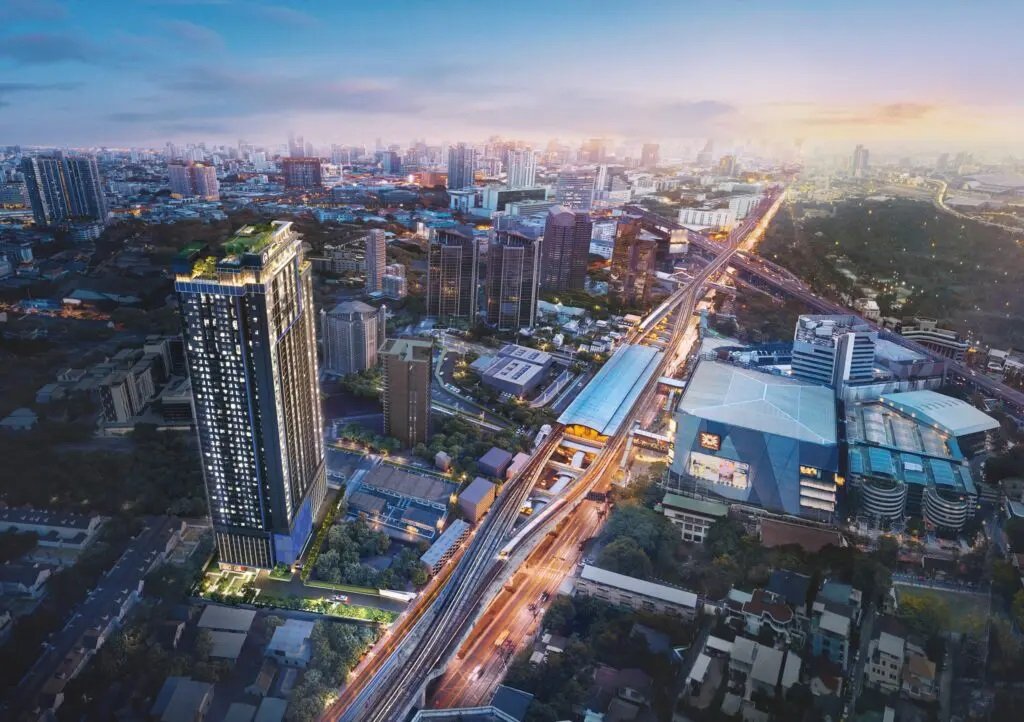
Rama 9’s 15-Minute “Golden Living Circle”: An In-Depth Analysis of the Appeal and Value of Rama 9 in Bangkok
十五分鐘Rama 9黃金生活圈:曼谷Rama 9兼具新興商務區與房地產的成長潛力,Rama 9不僅滿足生活品質需求,更具…
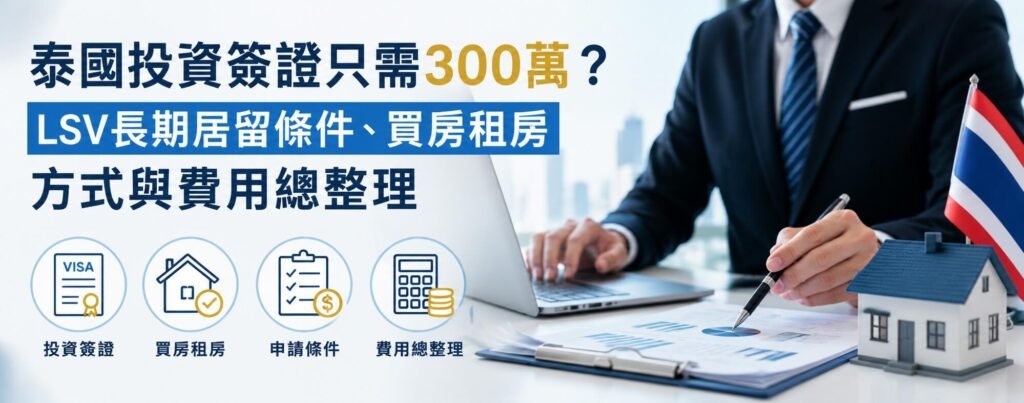
For many expats who dream of starting a new life in Thailand and enjoying the tropical charm and convenience of Southeast Asia, the most common challenge is “visa issues” . Frequent border crossings to renew tourist visas, obtaining visas under the guise of language school enrollment, or concerns about ever-changing visa policies all make relocation plans fraught with uncertainty. If you have a reasonable budget and hope to resolve your residency status once and for all, the Thailand Investor Visa is definitely a high-value-for-money option you should consider.
Through legal and compliant real estate investments, you can not only own overseas assets or a stable residence in Thailand, but also secure long-term residency status for yourself and your family. This article provides a comprehensive breakdown of the key requirements, application processes, actual costs, and common myths surrounding Thailand’s LSV long-term residence visa, helping you understand everything you need to know to start your life in Thailand with peace of mind!
The phrases commonly heard in the market, such as “buy a house and get a visa” or “Thailand’s 3 million investment visa,” actually have clear official definitions regarding their formal names and classifications. Since this policy was officially announced in February 2026, it has provided investors with a clear path to long-term residency.
This visa falls under the Nonimmigrant B category. Its official name is the Long-Stay Visa.
Applicable to foreign nationals who invest at least 3 million baht in the Thai real estate sector.
This policy covers real estate projects throughout Thailand; whether you want to buy in downtown Bangkok, Chiang Mai, or Phuket, there are absolutely no geographical restrictions. Any project that meets the investment threshold is eligible for application.
If the value of a single property you are interested in is less than 3 million baht, you can combine the total values of the two properties to apply for a visa, provided that “both properties are located within the same development.” This offers tremendous flexibility to investors who prefer to purchase smaller-sized units or studio apartments.
The biggest highlight of this visa is its “flexibility.” It is not limited to the direct purchase of real estate; for applicants with different financial plans, the authorities offer three legal avenues to meet the 3 million baht threshold:
For investors looking to preserve the value of their assets and hold them for the long term, purchasing real estate directly is the most straightforward approach.
If you don't want to make a large upfront payment to buy a home, you can opt for a premium rental plan.
It falls somewhere between buying a home and renting, making it ideal for people who want a stable living situation but don’t need permanent ownership.
The 3 million plan for obtaining a Thai investor visa not only resolves individual visa-related challenges but also offers a high degree of flexibility and convenience.
As long as you retain ownership of the property, you can continue to renew your visa annually. This means that as long as the house remains in your name, your visa will remain valid.
Applicants can handle the relevant matters directly at the immigration office in the province where the property is located. There is absolutely no need to travel all the way to a designated location in Bangkok to complete the process.
This is a policy that is ideal for families relocating together; eligible family members can apply together.

Many people are put off by the red tape involved in obtaining a Thai visa, but as long as you understand the steps and have a budget in place, the entire process is actually very straightforward. Here’s a breakdown of the key details:
Unlike the common practice of hidden fees in the market, the official and related fees for this visa are very clear:
(Note: The above fees are subject to change in accordance with immigration agency regulations.)
To ensure your relocation plan goes off without a hitch, we’ve compiled a list of the key questions most frequently asked by investors:
No. This visa does not permit engaging in any form of business activity in Thailand, serving as a company director, or actively managing investments; if you need to work, you must apply separately for a work permit.
Yes. If you enter or exit Thailand while holding a Long-Stay Visa, you must apply for a Re-entry Visa. The fee for a multiple-entry re-entry permit is 3,800 baht, and the fee for a single-entry re-entry permit is 1,000 baht.
Yes. Visa holders who stay in Thailand for more than 90 days are required to report once every 90 days (90-Day Reporting).
You may apply as long as you meet all the eligibility requirements for a long-term residence visa. Please note, however, that an applicant may hold only one type of visa at a time; once your long-term residence visa is approved, any other existing visas you hold will automatically become invalid and be revoked.
No. If you sell the property, you will not be eligible for renewal. Your current visa will remain valid until its expiration date, after which it cannot be renewed.
According to Bank of Thailand policy, banks are generally permitted to open accounts for individuals holding non-immigrant (Non-B) visas; however, whether an account can be successfully opened is subject to the internal regulations of each bank and its specific branches. Holders of 12-month visas may apply to open a bank account.
Are you ready to secure a stable life and build assets overseas through Thailand’s investment visa program? In addition to understanding the policies, it’s essential to stay abreast of the latest trends in Thailand’s real estate market. For overseas real estate investors, only by gaining a thorough understanding of local visa policies, property ownership laws, and lease details can you avoid unnecessary pitfalls when purchasing or renting a property.
If you’re looking for professionals to assist you with investing in Thai real estate and successfully obtaining an LSV visa—your ticket to long-term residency—let the expert advisors at New Union International Real Estate help you! We’ll help you assess investment risks and returns and assist you in finding the most suitable real estate investment opportunities in Thailand (including options such as direct purchase and long-term leasing). Contact us now atNew Lianjie International Real EstateSchedule a free consultation and let us help you explore the endless possibilities of Thai real estate and a worry-free long-term lifestyle!